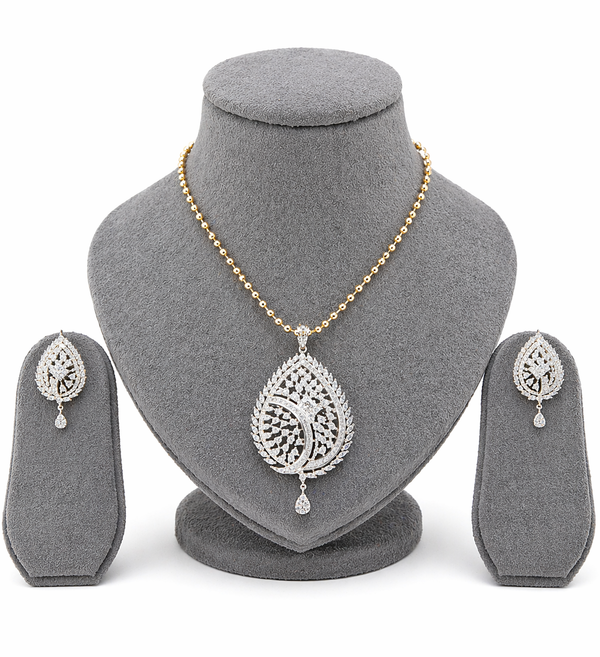
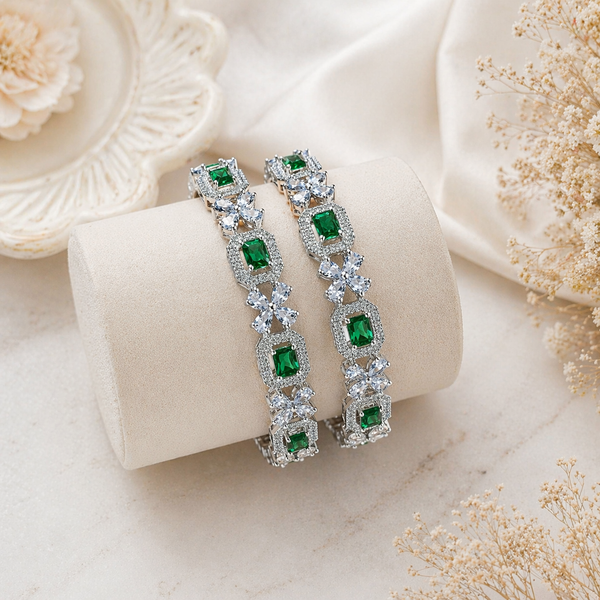
Jewellery should feel like a second skin — not cause one to react. Yet skin irritation from jewellery is one of the most common complaints, and almost always preventable. The answer starts with understanding what your skin is responding to, and choosing materials that work with your body rather than against it.
What Causes Skin Reactions
The most common culprit is nickel — a metal used in many alloy bases, particularly in low-cost jewellery. When skin is exposed to nickel over time, it can develop contact dermatitis: redness, itching, and sometimes small blisters where the jewellery sits. An estimated 10–15% of people have some degree of nickel sensitivity, though many do not realise it until they start wearing jewellery regularly.
Other triggers include certain plating chemicals, poor-quality finishes that break down with sweat, and trapped moisture under rings and bracelets that does not dry out.
The Metals That Work for Sensitive Skin
Solid gold (14k or above), sterling silver, titanium, and surgical-grade stainless steel are the safest choices for sensitive skin. These metals are either nickel-free or have nickel content well below the threshold that typically triggers reactions.
If you love gold-plated jewellery, look for pieces plated over a sterling silver or surgical steel base — not brass or copper — and ensure the plating is thick enough that it does not wear through quickly.
Skin Tone and Metal Warmth
Beyond sensitivity, the right metal choice is also an aesthetic one. Warm skin tones — those with yellow, peach, or olive undertones — tend to glow next to gold and brass. Cool skin tones, with pink or blue undertones, are typically flattered by silver, white gold, and platinum. Neutral undertones carry both beautifully.
This is not a rule to follow rigidly — it is a starting point for understanding why some pieces just look more like you than others.
Small Habits That Protect Your Skin
Remove rings before washing hands and let them dry completely before putting them back on. Trapped soap under a ring is a common irritant. Give your ears regular breaks from earrings, especially if you wear them daily. And if you notice any redness or itching around a piece, remove it and let the skin recover before wearing it again.
The right jewellery should disappear into your skin — not compete with it. When you find those pieces, you will know.